





How Sleep Apnea and High Blood Pressure Are Connected ?

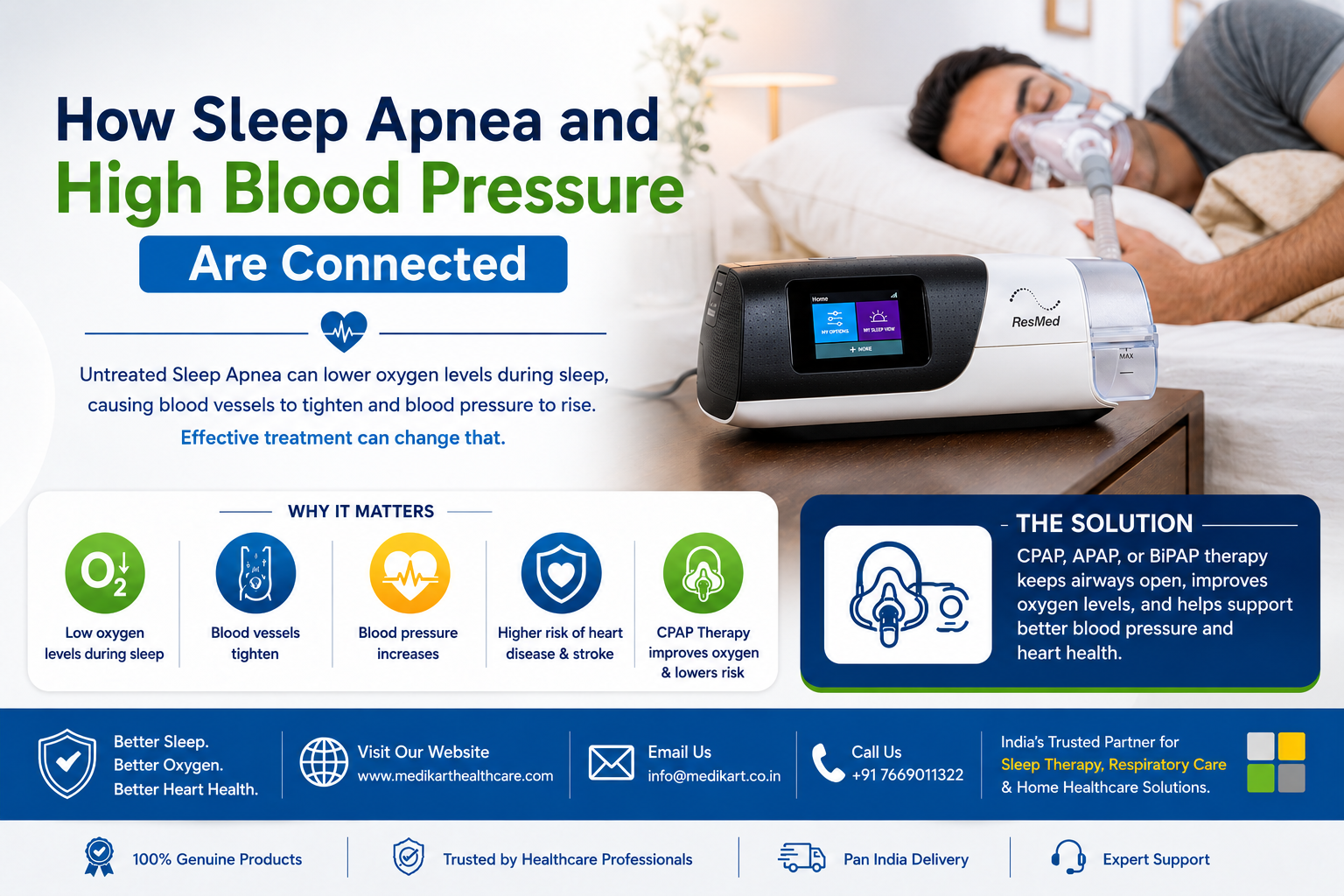
How Sleep Apnea and High Blood Pressure Are Connected
Sleep Apnea and high blood pressure (hypertension) are closely connected health conditions. When a person experiences untreated Sleep Apnea, breathing repeatedly stops or becomes shallow during sleep, causing oxygen levels in the blood to drop. In response, the brain signals blood vessels to constrict, which can increase blood pressure levels.
Effective Sleep Apnea treatment with CPAP, APAP, or BiPAP therapy can help improve oxygen levels during sleep and may support better blood pressure management. High blood pressure is one of the many health risks associated with untreated Sleep Apnea.
Does Sleep Apnea Cause High Blood Pressure?
Sleep Apnea is a significant contributor to high blood pressure, although it is not the only cause. Several factors can influence blood pressure levels, including poor diet, excessive salt intake, alcohol consumption, high caffeine intake, obesity, stress, and poor sleep quality.
The most common treatment for Sleep Apnea is Positive Airway Pressure (PAP) therapy using a CPAP, APAP, or BiPAP machine. These devices deliver pressurized air to keep the airway open during sleep, helping maintain healthy oxygen levels throughout the night.
The Indirect Impact of Sleep Apnea on Blood Pressure
Untreated Sleep Apnea often causes excessive daytime sleepiness and fatigue. As a result, many people rely on caffeine to stay alert during the day. Excessive caffeine consumption can further increase blood pressure levels.
By effectively treating Sleep Apnea and improving sleep quality, patients often experience better daytime energy levels and may reduce their dependence on caffeine, supporting overall cardiovascular health.
Resistant Hypertension and Sleep Apnea
Some patients continue to experience high blood pressure despite taking prescribed medications. This condition is known as Resistant Hypertension.
Sleep Apnea is commonly seen among people with resistant hypertension. In such cases, optimizing Sleep Apnea treatment may help improve blood pressure management.
Tips to Improve Sleep Quality and CPAP Therapy Effectiveness
1. Consider an APAP Machine
Unlike traditional CPAP devices that deliver a fixed pressure, APAP machines automatically adjust pressure levels throughout the night based on your breathing needs. This can improve comfort and treatment effectiveness.
2. Monitor Your Therapy Data
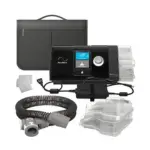
Modern devices such as the ResMed AirSense 11 AutoSet and AirSense 10 AutoSet provide valuable therapy insights, including usage hours, mask leak levels, Apnea-Hypopnea Index (AHI), pressure trends, and therapy effectiveness.
3. Avoid Alcohol Before Bedtime
Alcohol relaxes the muscles of the throat and airway, which can worsen Sleep Apnea symptoms. Avoid alcohol within a few hours of bedtime whenever possible.
4. Sleep on Your Side
Side sleeping can help keep the airway open naturally and may reduce airway collapse during sleep. Many Sleep Apnea patients experience better therapy results when sleeping on their side rather than their back.
Sleep Apnea and Cardiovascular Diseases
Sleep Apnea has been associated with several cardiovascular conditions, including high blood pressure, heart disease, heart attack, stroke, heart failure, and irregular heart rhythms.
Repeated drops in oxygen levels during sleep can place stress on the heart and blood vessels, increasing cardiovascular risk over time.
Central Sleep Apnea and Heart Failure
While Obstructive Sleep Apnea (OSA) is the most common form of Sleep Apnea, some patients experience Central Sleep Apnea (CSA).
In Central Sleep Apnea, the brain temporarily fails to send proper signals to the breathing muscles, resulting in pauses in breathing. This condition is often associated with heart failure and certain neurological disorders.
Common Risk Factors Shared by Sleep Apnea and Heart Disease
- Obesity and high BMI
- Poor dietary habits
- Smoking and tobacco use
- Excessive alcohol consumption
- Physical inactivity
- Diabetes
- High cholesterol
Importance of Early Diagnosis and Treatment
Many people in India remain undiagnosed with Sleep Apnea. Common symptoms include loud snoring, daytime sleepiness, morning headaches, frequent nighttime awakenings, difficulty concentrating, and poor sleep quality.
Early diagnosis and treatment with CPAP, APAP, or BiPAP therapy can improve sleep quality, support healthy blood pressure levels, and reduce long-term cardiovascular risks.
Conclusion
Sleep Apnea and high blood pressure are closely linked. Untreated Sleep Apnea can contribute to hypertension, cardiovascular disease, and reduced quality of life. Fortunately, effective treatment through CPAP, APAP, or BiPAP therapy can help maintain healthy oxygen levels during sleep and support better cardiovascular health.
If you suspect you may have Sleep Apnea or need guidance on CPAP and BiPAP therapy solutions, our team is here to help.
Medikart Healthcare Systems Pvt. Ltd.
Website: https://medikarthealthcare.com
Email: info@medikart.co.in
Phone: +91 7669011322